|





MV anecdotes
 Lorwyn Eclipsed
 Avatar: the Last Airbender
 Spider-Man / Omenpaths
 Edge of Eternities
 Final Fantasy
 Tarkir: Dragonstorm
 Aetherdrift
| 992 anecdotes trouvées |   |
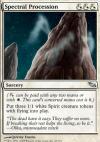
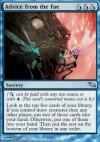
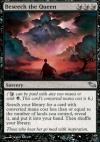
Les cinq cartes Spectral Procession, Advice from the Fae, Beseech the Queen, Flame Javelin et Tower Above, de l'édition Shadowmoor, forment un cycle.
Avec Reaper King, ce sont les premières cartes avec un coût de mana composé de manas hybrides monochromes (une couleur unique et deux manas génériques).
Source 1 (Twobrid Mana - "Twobrid mana was first introduced in Shadowmoor on six cards. It's only ever appeared on those six cards, so it's something that the enfranchised audience is familiar with, but it's a vein of design space we've barely touched.") - Source 2 (Shadowmoor Block - "Six of the cards in the set introduced a new type of hybrid mana, what we in R&D call "twobrid." [...]")
Avec Reaper King, ce sont les premières cartes avec un coût de mana composé de manas hybrides monochromes (une couleur unique et deux manas génériques).
Source 1 (Twobrid Mana - "Twobrid mana was first introduced in Shadowmoor on six cards. It's only ever appeared on those six cards, so it's something that the enfranchised audience is familiar with, but it's a vein of design space we've barely touched.") - Source 2 (Shadowmoor Block - "Six of the cards in the set introduced a new type of hybrid mana, what we in R&D call "twobrid." [...]")
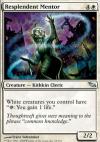
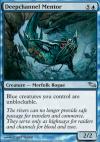
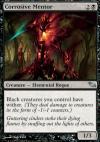
Les cinq cartes Resplendent Mentor, Deepchannel Mentor, Corrosive Mentor, Bloodmark Mentor et Roughshod Mentor, de l'édition Shadowmoor, forment un cycle appelé "Mentor" de créatures renforçant les créatures que vous contrôlez de leur couleur.
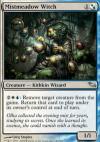
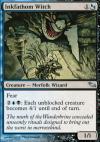
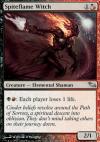
Les cinq cartes Mistmeadow Witch, Inkfathom Witch, Spiteflame Witch, Tattermunge Witch et Seedcradle Witch, de l'édition Shadowmoor, forment un cycle appelé "Witch".
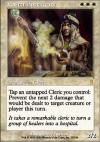
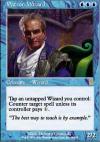
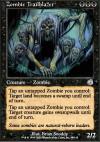
Les cinq cartes Master Apothecary, Patron Wizard, Zombie Trailblazer, Dwarven Bloodboiler et Seton, Krosan Protector forment un cycle.
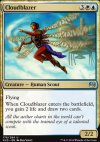
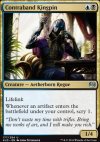
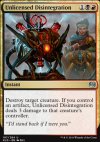
Les dix cartes Cloudblazer, Contraband Kingpin, Unlicensed Disintegration, Voltaic Brawler, Engineered Might, Restoration Gearsmith, Whirler Virtuoso, Hazardous Conditions, Veteran Motorist et Empyreal Voyager, de l'édition Kaladesh, forment un cycle de sorts bicolores peu communs soutenant chacun un archétype de formats limités.
Source ("Draft, as an example, had a big influence on the uncommon gold cards that model Draft archetypes")
Source ("Draft, as an example, had a big influence on the uncommon gold cards that model Draft archetypes")
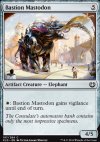
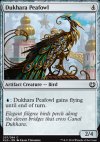
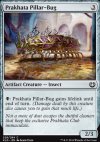
Les cinq cartes Bastion Mastodon, Dukhara Peafowl, Prakhata Pillar-Bug, Weldfast Monitor et Narnam Cobra, de l'édition Kaladesh, forment un cycle.
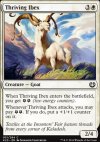
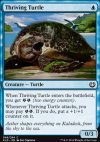
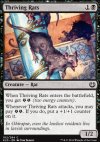
Les cinq cartes Thriving Ibex, Thriving Turtle, Thriving Rats, Thriving Grubs et Thriving Rhino, de l'édition Kaladesh, forment un cycle appelé "Thriving -".
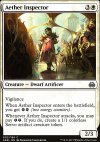
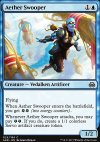
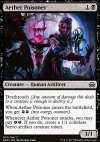
Les cinq cartes Aether Inspector, Aether Swooper, Aether Poisoner, Aether Chaser et Aether Herder, de l'édition Aether Revolt, forment un cycle appelé "Aether -".
Source (Aether Inspector / Swooper / Poisoner / Chaser / Herder)
Source (Aether Inspector / Swooper / Poisoner / Chaser / Herder)
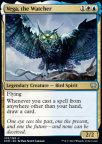
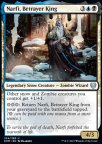
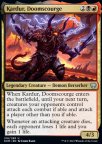
Les dix cartes Vega, the Watcher, Narfi, Betrayer King, Kardur, Doomscourge, Svella, Ice Shaper, Maja, Bretagard Protector, Firja, Judge of Valor, Aegar, the Freezing Flame, Harald, King of Skemfar, Koll, the Forgemaster et Moritte of the Frost, de l'édition Kaldheim, forment un cycle de créatures légendaires bicolores peu communes soutenant chacune un archétype de formats limités.
Source ("Draft, as an example, had a big influence on the uncommon gold cards that model Draft archetypes")
Source ("Draft, as an example, had a big influence on the uncommon gold cards that model Draft archetypes")
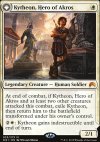
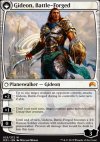
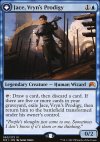
Les cinq cartes Kytheon, Hero of Akros / Gideon, Battle-Forged, Jace, Vryn's Prodigy / Jace, Telepath Unbound, Liliana, Heretical Healer / Liliana, Defiant Necromancer, Chandra, Fire of Kaladesh / Chandra, Roaring Flame et Nissa, Vastwood Seer / Nissa, Sage Animist, de l'édition Magic Origins, forment un cycle de créatures légendaires pouvant chacune se transformer en planeswalker, ce qui matérialise l'activation de son étincelle.
Source 1 (Spark Depths - "First would be a legendary creature cycle representing each of the five characters before their spark ignites. Then we would have a second cycle of the same characters, but this time as Planeswalkers. This would represent them after their spark ignited. [...] What if the spark was a transformation from one state, the legendary creature, into the second, the Planeswalker? [...] What if the transformation was the transform mechanic and the two different cycles were on the same card—the legendary creature was on the front and the Planeswalker on the back?") - Source 2 (Design five transforming Planeswalkers - "The design team had figured out how to do double-faced Planeswalkers with the pre-igniting side being a legendary creature and the transformed side being a Planeswalker. In one cycle, they had captured the essence of the set, displaying the moment each Planeswalker's spark ignited—where each of our five heroes became a Planeswalker. [...] The legendary creature would have some ability that was useful unto itself, but helped push toward a condition that would allow the creature to transform into a Planeswalker. The Planeswalker abilities then played into the themes that had been introduced by the legendary creature.")
Source 1 (Spark Depths - "First would be a legendary creature cycle representing each of the five characters before their spark ignites. Then we would have a second cycle of the same characters, but this time as Planeswalkers. This would represent them after their spark ignited. [...] What if the spark was a transformation from one state, the legendary creature, into the second, the Planeswalker? [...] What if the transformation was the transform mechanic and the two different cycles were on the same card—the legendary creature was on the front and the Planeswalker on the back?") - Source 2 (Design five transforming Planeswalkers - "The design team had figured out how to do double-faced Planeswalkers with the pre-igniting side being a legendary creature and the transformed side being a Planeswalker. In one cycle, they had captured the essence of the set, displaying the moment each Planeswalker's spark ignited—where each of our five heroes became a Planeswalker. [...] The legendary creature would have some ability that was useful unto itself, but helped push toward a condition that would allow the creature to transform into a Planeswalker. The Planeswalker abilities then played into the themes that had been introduced by the legendary creature.")
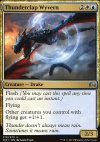
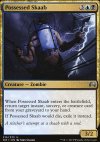
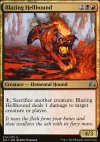
Les dix cartes Thunderclap Wyvern, Possessed Skaab, Blazing Hellhound, Zendikar Incarnate, Citadel Castellan, Blood-Cursed Knight, Reclusive Artificer, Shaman of the Pack, Iroas's Champion et Bounding Krasis, de l'édition Magic Origins, forment un cycle de créatures bicolores peu communes soutenant chacune un archétype de formats limités.
De plus, l'édition Magic Origins est bâtie autour des histoires de cinq planeswalkers, un par couleur, et de dix Plans : le Plan d'origine de chaque planeswalker, et le premier qu'il ait visité en transplanant, après activation de son étincelle.
Chacune des cartes d'une paire de couleurs ennemies de ce cycle est ainsi liée à une carte d'une paire de couleurs alliées partageant une couleur commune, et illustrant les deux Plans visités par le planeswalker de la couleur correspondante :
 : Iroas's Champion (Theros) et Citadel Castellan (Alara, Bant) : Gideon, Battle-Forged
 : Thunderclap Wyvern (Vryn) et Bounding Krasis (Ravnica) : Jace, Telepath Unbound
 : Blood-Cursed Knight (Dominaria) et Possessed Skaab (Innistrad) : Liliana, Defiant Necromancer
 : Reclusive Artificer (Kaladesh) et Blazing Hellhound (Regatha) : Chandra, Roaring Flame
 : Zendikar Incarnate (Zendikar) et Shaman of the Pack (Lorwyn) : Nissa, Sage Animist
Source 1 ("Home plane ⇒ spark ignites, making them a Planeswalker ⇒ new plane. That meant that each story had two settings, pre- and post-ignition. We'd get to see each Planeswalker on their home plane and then on the plane of their first planeswalk. [...] With the idea of the ten world plan, Shawn made an important realization. Design and development worked hard to make sure there are ten different draft archetypes, usually centering around the two-color pairs. Ten worlds—ten two-color pairs. The themes of the draft archetypes could each be attached to a different world.") - Source 2 (Figure out the ten two-color archetypes and match them to the ten worlds in the set - "[...] as we were following five characters that were each monocolor [...] both their home plane and their first visit had to have their color in it.") - Source 3 ("Draft, as an example, had a big influence on the uncommon gold cards that model Draft archetypes")
De plus, l'édition Magic Origins est bâtie autour des histoires de cinq planeswalkers, un par couleur, et de dix Plans : le Plan d'origine de chaque planeswalker, et le premier qu'il ait visité en transplanant, après activation de son étincelle.
Chacune des cartes d'une paire de couleurs ennemies de ce cycle est ainsi liée à une carte d'une paire de couleurs alliées partageant une couleur commune, et illustrant les deux Plans visités par le planeswalker de la couleur correspondante :
: Iroas's Champion (Theros) et Citadel Castellan (Alara, Bant) : Gideon, Battle-Forged : Thunderclap Wyvern (Vryn) et Bounding Krasis (Ravnica) : Jace, Telepath Unbound : Blood-Cursed Knight (Dominaria) et Possessed Skaab (Innistrad) : Liliana, Defiant Necromancer : Reclusive Artificer (Kaladesh) et Blazing Hellhound (Regatha) : Chandra, Roaring Flame : Zendikar Incarnate (Zendikar) et Shaman of the Pack (Lorwyn) : Nissa, Sage AnimistSource 1 ("Home plane ⇒ spark ignites, making them a Planeswalker ⇒ new plane. That meant that each story had two settings, pre- and post-ignition. We'd get to see each Planeswalker on their home plane and then on the plane of their first planeswalk. [...] With the idea of the ten world plan, Shawn made an important realization. Design and development worked hard to make sure there are ten different draft archetypes, usually centering around the two-color pairs. Ten worlds—ten two-color pairs. The themes of the draft archetypes could each be attached to a different world.") - Source 2 (Figure out the ten two-color archetypes and match them to the ten worlds in the set - "[...] as we were following five characters that were each monocolor [...] both their home plane and their first visit had to have their color in it.") - Source 3 ("Draft, as an example, had a big influence on the uncommon gold cards that model Draft archetypes")
Citation :
Here is how the archetypes looked coming out of development:
Theros: Red-White — "Go wide"
Bant: Green-White — Renown mechanic with pump spells
Vryn: White-Blue — Control with flyers (and spell mastery)
Ravnica: Green-Blue — Tempo
Dominaria: White-Black — Auras
Innistrad: Blue-Black — Graveyard
Kaladesh: Blue-Red — Tempo aggro/Artifacts
Regatha: Black-Red — Sacrifice
Zendikar: Red-Green — Midrange beatdown/creature ramp
Lorwyn: Black-Green — Midrange attrition/Elves
Theros: Red-White — "Go wide"
Bant: Green-White — Renown mechanic with pump spells
Vryn: White-Blue — Control with flyers (and spell mastery)
Ravnica: Green-Blue — Tempo
Dominaria: White-Black — Auras
Innistrad: Blue-Black — Graveyard
Kaladesh: Blue-Red — Tempo aggro/Artifacts
Regatha: Black-Red — Sacrifice
Zendikar: Red-Green — Midrange beatdown/creature ramp
Lorwyn: Black-Green — Midrange attrition/Elves
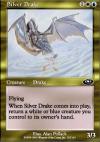
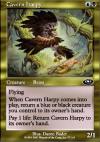
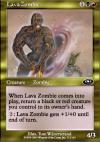
Les cinq cartes Silver Drake, Cavern Harpy, Lava Zombie, Horned Kavu et Steel Leaf Paladin, ainsi que les cinq cartes Sawtooth Loon, Marsh Crocodile, Razing Snidd, Sparkcaster et Fleetfoot Panther, et enfin les deux cartes Doomsday Specter et Shivan Wurm, forment respectivement des cycles horizontaux (une carte par couleur ou paire de couleurs) et verticaux (cartes des mêmes couleurs mais avec une rareté différente) de l'édition Planeshift, ayant en commun la capacité suivante : "Quand ~ arrive, renvoyez une créature de l'une des couleurs de ~ que vous contrôlez dans la main de son propriétaire."
Néanmoins, le cycle horizontal de cartes rares étant incomplet en ce qu'il en manque une pour les paires de couleurs, et , les seuls cycles verticaux complets sont donc ceux pour les paires de couleurs et .
Néanmoins, le cycle horizontal de cartes rares étant incomplet en ce qu'il en manque une pour les paires de couleurs
, et , les seuls cycles verticaux complets sont donc ceux pour les paires de couleurs et .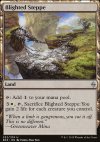
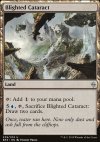
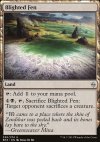
Les cinq cartes Blighted Steppe, Blighted Cataract, Blighted Fen, Blighted Gorge et Blighted Woodland, de l'édition Battle for Zendikar, forment un cycle de terrains appelé "Blighted".
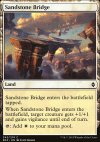
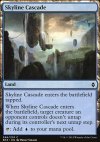
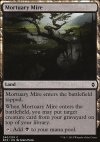
Les cinq cartes Sandstone Bridge, Skyline Cascade, Mortuary Mire, Looming Spires et Fertile Thicket, de l'édition Battle for Zendikar, forment un cycle de terrains.
Ce cycle est inspiré d'un autre cycle paru dans l'édition Worldwake (voir cette anecdote).
Ce cycle est inspiré d'un autre cycle paru dans l'édition Worldwake (voir cette anecdote).
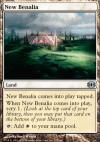
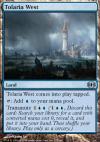
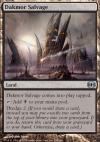
Les cinq cartes New Benalia, Tolaria West, Dakmor Salvage, Keldon Megaliths et Llanowar Reborn, de l'édition Future Sight, forment un cycle de terrains appelé "Utility taplands".
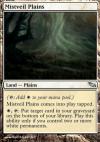
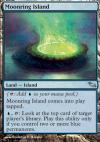
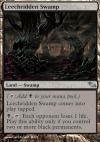
Les cinq cartes Mistveil Plains, Moonring Island, Leechridden Swamp, Madblind Mountain et Sapseep Forest, de l'édition Shadowmoor, forment un cycle de terrains appelé "Utility taplands".
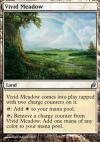
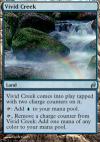
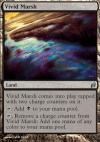
Les cinq cartes Vivid Meadow, Vivid Creek, Vivid Marsh, Vivid Crag et Vivid Grove, de l'édition Lorwyn, forment un cycle de terrains appelé "Vivid".
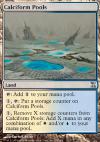
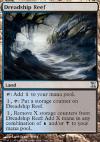
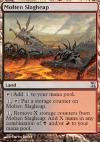
Les cinq cartes Calciform Pools, Dreadship Reef, Molten Slagheap, Fungal Reaches et Saltcrusted Steppe, de l'édition Time Spiral, forment un cycle de terrains.
La carte Crucible of the Spirit Dragon parue ensuite fait référence à ce cycle.
La carte Crucible of the Spirit Dragon parue ensuite fait référence à ce cycle.
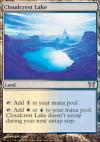
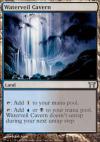
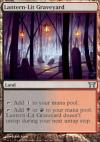
Les cinq cartes Cloudcrest Lake, Waterveil Cavern, Lantern-Lit Graveyard, Pinecrest Ridge et Tranquil Garden, de l'édition Champions of Kamigawa et illustrées par John Avon, forment un cycle de terrains.
Ils sont des réimpressions fonctionnelles des terrains du cycle paru dans l'édition Tempest (voir cette anecdote).
Ils sont des réimpressions fonctionnelles des terrains du cycle paru dans l'édition Tempest (voir cette anecdote).
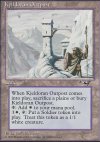
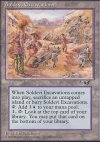
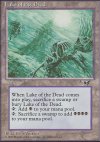
Les cinq cartes Kjeldoran Outpost, Soldevi Excavations, Lake of the Dead, Balduvian Trading Post et Heart of Yavimaya, de l'édition Alliances, forment un cycle de terrains.
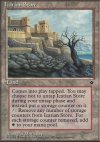
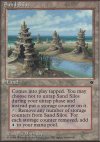
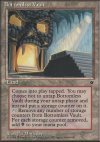
Les cinq cartes Icatian Store, Sand Silos, Bottomless Vault, Dwarven Hold et Hollow Trees, de l'édition Fallen Empires et illustrées par Pat Morrissey, forment un cycle de terrains inspiré par celui des accumulateurs de mana (voir cette anecdote).
Ce cycle a inspiré un cycle similaire, paru dans l'édition Mercadian Masques (voir cette anecdote).
Ce cycle a inspiré un cycle similaire, paru dans l'édition Mercadian Masques (voir cette anecdote).
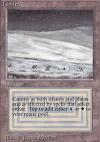
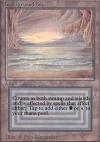
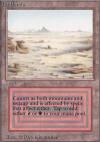
Les dix cartes Tundra, Underground Sea, Badlands, Taiga, Savannah, Scrubland, Volcanic Island, Bayou, Plateau et Tropical Island forment un cycle de terrains appelé "dual lands".
Source ("R&D considers the Alpha dual lands too powerful. They make it easier than we want to access other colors. You can tell that from every other dual land we've ever printed.")
Source ("R&D considers the Alpha dual lands too powerful. They make it easier than we want to access other colors. You can tell that from every other dual land we've ever printed.")
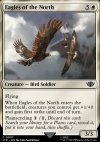
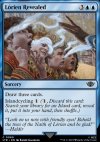
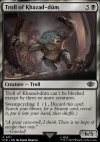
Les cinq cartes Eagles of the North, Lórien Revealed, Troll of Khazad-dûm, Oliphaunt et Generous Ent, de l'édition The Lord of the Rings: Tales of Middle-earth, forment un cycle de sorts avec la capacité Recyclage d'un type de terrain de base.
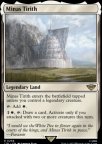
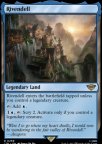
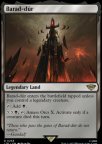
Les cinq cartes Minas Tirith, Rivendell, Barad-dûr, Mines of Moria et The Shire, de l'édition The Lord of the Rings: Tales of Middle-earth, forment un cycle de terrains.
| 992 anecdotes trouvées | |